Tell:+86-13817195341
بريد إلكتروني : sales@chinlift.cn


Tell:+86-13817195341
بريد إلكتروني : sales@chinlift.cn
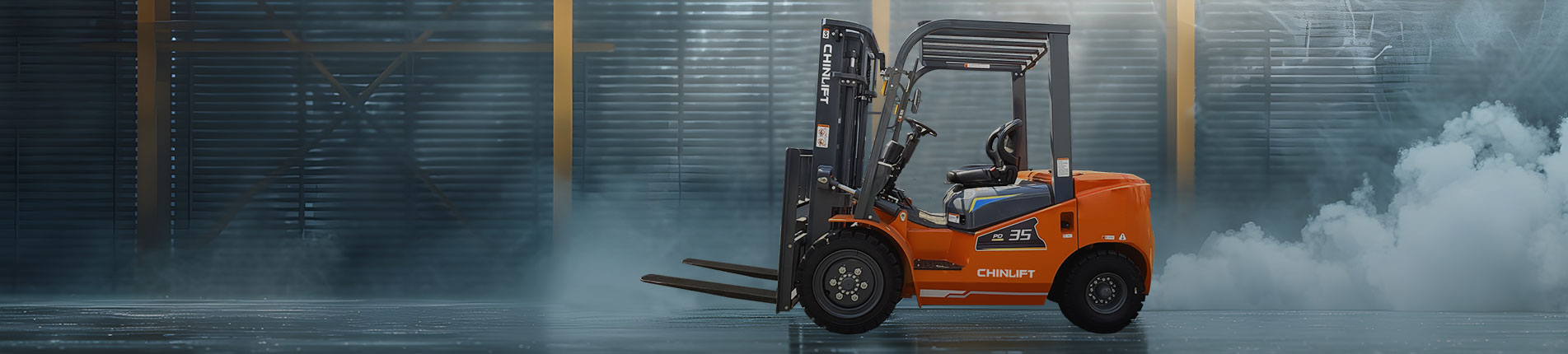
في مجال الخدمات اللوجستية لسلسلة التبريد، تعمل الرافعات الشوكية التي تعمل ببطاريات الليثيوم بشكل متكرر بين بيئات ذات درجة حرارة محيطة ومرافق تخزين مبردة تصل درجة حرارتها إلى -20 درجة مئوية أو أقل. يُعدّ التكثيف والتعرض للماء السببين الرئيسيين للأعطال الكهربائية. غالبًا ما تعاني الرافعات الشوكية التقليدية من مشاكل متكررة مثل قصر الدائرة الكهربائية في لوحة الدوائر، وتلف العزل، وتآكل المعادن في ظل هذه الظروف الحرارية القاسية، مما يؤدي إلى توقفات كبيرة وخسائر تشغيلية. لذلك، يُعدّ وجود حلٍّ منهجي للحماية من الرطوبة أمرًا ضروريًا، وهو ما يتبناه كبار المصنّعين مثل عملية شد الذقن لقد اندمجوا بنشاط في رافعة شوكية كهربائية خطوط الإنتاج.
التعرض للماء والتكثيف: من أين تنشأ الأعطال؟
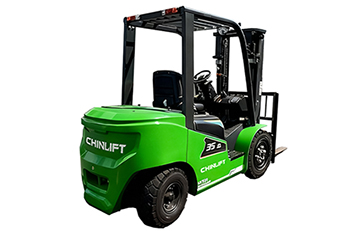
تؤدي الرطوبة العالية داخل غرف التبريد، بالإضافة إلى الفروقات الكبيرة في درجات الحرارة أثناء التحميل والتفريغ، إلى تكثف كبير على الأسطح الخارجية والداخلية للرافعات الشوكية. يمكن أن تتسرب هذه الرطوبة إلى المحركات وأجهزة التحكم وموصلات الأسلاك، مما يقلل من كفاءة العزل وقد يتسبب في حدوث ماس كهربائي. علاوة على ذلك، يخلق مزيج الجليد والماء على أرضيات غرف التبريد ظروف تشغيل معرضة للماء. إذا كان تصنيف مقاومة الماء الإجمالي للمركبة غير كافٍ (على سبيل المثال، أقل من IPX4)، فيمكن للرطوبة أن تخترق النظام الكهربائي بسهولة، مما يؤدي إلى أعطال خطيرة. بالنسبة لرافعة شوكية نموذجية رافعة شوكية كهربائية سعة 3 أطنان في ظل هذه البيئات الصعبة، تبرز هذه المخاطر بشكل خاص بسبب المكونات الكهربائية عالية الطاقة المستخدمة.
حل شامل للحماية الكهربائية من الرطوبة في مخازن التبريد
1. اختيار المصدر: بطارية ليثيوم مخصصة وتصنيفات حماية عالية
أعطِ الأولوية لرافعات الشوكة الكهربائية المزودة ببطاريات الليثيوم والمخصصة للتخزين البارد، والتي خضعت أنظمتها الكهربائية الثلاثة الأساسية لمعالجة خاصة. استخدم بطاريات ومحركات مغلقة بالكامل، بالإضافة إلى طبقات عازلة مقاومة للتآكل، لمنع تسرب الرطوبة بشكل فعال. تأكد من أن المركبة بأكملها حاصلة على تصنيف IPX4 كحد أدنى لمقاومة الماء، مما يُمكّنها من تحمل زخات المطر الخفيفة والغمر المؤقت في الماء. تقدم العديد من طرازات رافعات الشوكة الكهربائية الحديثة من العلامات التجارية المرموقة الآن باقات تخزين بارد مُثبّتة في المصنع تُلبي هذه المتطلبات من البداية.
2. تفاصيل الإغلاق: العزل ومعالجة مقاومة التآكل
ضع شحمًا عازلًا مقاومًا للماء على جميع المكونات الكهربائية والموصلات وأسلاك التوصيل، أو قم بتركيب أغطية واقية. استبدل مسامير الهيكل الأساسية بمسامير من الفولاذ المقاوم للصدأ، وقم بتطبيق طبقات مقاومة للتآكل لمنع الصدأ الناتج عن التكثيف، والذي قد يؤدي إلى ضعف التأريض الكهربائي. تُعد هذه الإجراءات بالغة الأهمية لرافعة شوكية كهربائية سعة 3 أطنان، حيث تتطلب الدوائر ذات التيار العالي عزلًا فائقًا.
3. بروتوكولات الصيانة: اختبار العزل وتجفيفه بانتظام
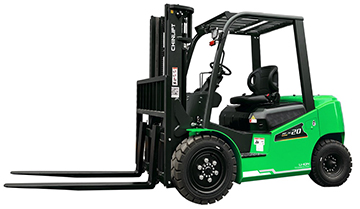
بعد الاستخدام اليومي، امسح حجرة الكهرباء بقطعة قماش جافة واستخدم الهواء المضغوط لإزالة الرطوبة. قم بإجراء اختبار مقاومة العزل شهريًا للكشف المبكر عن أي علامات لتلف العزل. تجنب الشحن المباشر داخل أماكن التخزين الباردة؛ بدلاً من ذلك، انقل المركبة إلى بيئة جافة تزيد درجة حرارتها عن صفر مئوية لمنع ترسب الليثيوم أثناء الشحن في درجات حرارة منخفضة، مما يشكل مخاطر على السلامة.
لا يقتصر توفير الحماية الحقيقية من الرطوبة في مخازن التبريد على إضافة وسائل حماية خارجية فحسب، بل يتطلب نهجًا تصميميًا منهجيًا يشمل الاختيار، والعزل، والإدارة الحرارية، والصيانة. فقط من خلال المعالجة الاستباقية للعزل المائي الكهربائي، يمكن لرافعات الشوكة التي تعمل ببطاريات الليثيوم - سواء كانت رافعة شوكة كهربائية صغيرة الحجم سعة 3 أطنان أو طرازات أكبر - تحقيق استقرار طويل الأمد وكفاءة عالية في عمليات سلسلة التبريد. ومع استمرار رواد الصناعة مثل CHINLIFT في تطوير تقنيات رافعات الشوكة الكهربائية، تتقلص الفجوة بين المعدات القياسية والمعدات المُجهزة للتخزين البارد، مما يعود بالفائدة على مشغلي أساطيل الرافعات في جميع أنحاء العالم.
الأسئلة الشائعة حول الرافعات الشوكية التي تعمل ببطاريات الليثيوم أيون
س1: هل يمكن استخدام رافعة شوكية تعمل ببطارية ليثيوم قياسية مباشرة في التخزين البارد؟
أ: غير مستحسن. تفتقر الرافعات الشوكية القياسية إلى معالجات مقاومة للرطوبة. وتتسبب التقلبات الشديدة في درجات الحرارة عند نقلها من وإلى غرف التبريد في تكثف داخلي، مما يؤدي في كثير من الأحيان إلى حدوث ماس كهربائي في لوحات الدوائر أو تلف في العزل. لذا، يجب اختيار طراز مخصص لغرف التبريد مزود بأنظمة تدفئة وطلاءات عازلة للماء على المكونات الكهربائية، وهي ميزات تدمجها شركات مصنعة مثل CHINLIFT في سلسلة منتجاتها المخصصة لسلسلة التبريد.
س2: ما هي الصيانة الإضافية المطلوبة بعد ترقيات الحماية من الرطوبة؟
أ: يجب إضافة مهمتين حاسمتين: أولاً، امسح حجرة الكهرباء وجففها بالهواء المضغوط بعد كل وردية عمل؛ ثانياً، قم بإجراء اختبارات مقاومة العزل شهرياً لمراقبة سلامة العزل. تساعد هذه الممارسات على اكتشاف المشكلات المحتملة مبكراً ومنع الأعطال غير المتوقعة.
س3: ما هي مخاطر شحن بطاريات الليثيوم داخل منشأة تخزين باردة؟
أ: الشحن في درجات حرارة أقل من 0 درجة مئوية يشكل مخاطر كبيرة على السلامة، بما في ذلك طلاء الليثيوم الذي قد يُثقب فاصل البطارية ويُسبب ماسًا كهربائيًا داخليًا أو حتى حرائق. اشحن البطارية دائمًا في بيئة جافة تزيد درجة حرارتها عن 0 درجة مئوية، وتأكد من أن البطارية مزودة بوظيفة تسخين بدرجة حرارة منخفضة ترفع درجة حرارة قلبها إلى مستوى آمن قبل بدء دورة الشحن.
حقوق الطبع والنشر
@ شركة Hefei Chinlift Forklift Co.,Ltd جميع الحقوق محفوظة.
 الشبكة المدعومة
ترك رسالة
امسح ضوئيًا إلى WeChat :

امسح ضوئيًا إلى واتساب :